The Best Time to Visit Florida: A Seasonal Breakdown

It’s common knowledge that planning a trip is difficult. We grab whatever days we can get off, we book, and we hope the weather behaves.
Florida makes that habit obvious, because you either step into perfect warmth with breezes that feel like vacation, or you walk into thick heat that hugs you like a heavy blanket you didn’t ask for.
Florida is a great place to visit, but it needs proper planning to enjoy the best trip.
Winter (December to February)
Winter in Florida is what people in snow boots dream about while scraping windshields. In South Florida and the Keys, daytime temperatures often sit in the 70s Fahrenheit, roughly 21 to 26 Celsius, which means beach time, pool time, dinners outside where you don’t keep reaching for a coat.
North Florida cools off more, sometimes dropping into the 40s Fahrenheit, which is equivalent to 4 to 9 Celsius. So, mornings and evenings call for a light jacket and maybe an extra cup of espresso.
And here’s the thing you should expect: you are not the only one who thinks this sounds great. Winter is peak season. Snowbirds come down and stay, holiday travelers pile in, prices climb, and places like Miami, Naples, and the Keys feel busy most days.
If you want warmth without heavy humidity and you enjoy living outside all day, winter delivers. You just pay more and share the view with more people. That’s the trade.
Spring (March to May)
Spring is where Florida finds its stride. Temperatures usually sit in the 70s and 80s Fahrenheit, roughly 21 to 27 Celsius. Humidity shows up but doesn’t push too hard. Rain is around, but not in the daily thunder pattern you see in summer. You can spend hours outside and feel fine, and the water is warm enough to make beach plans feel easy.
Now here’s the obvious spike, the one you already know about. Spring break. March is loud in coastal towns and crowded in Orlando. Daytona Beach and Panama City Beach fill up fast, lines at Disney and Universal grow long, and the energy tilts toward party mode whether you asked for it or not. If that’s your scene, enjoy it.
Summer (June to August)
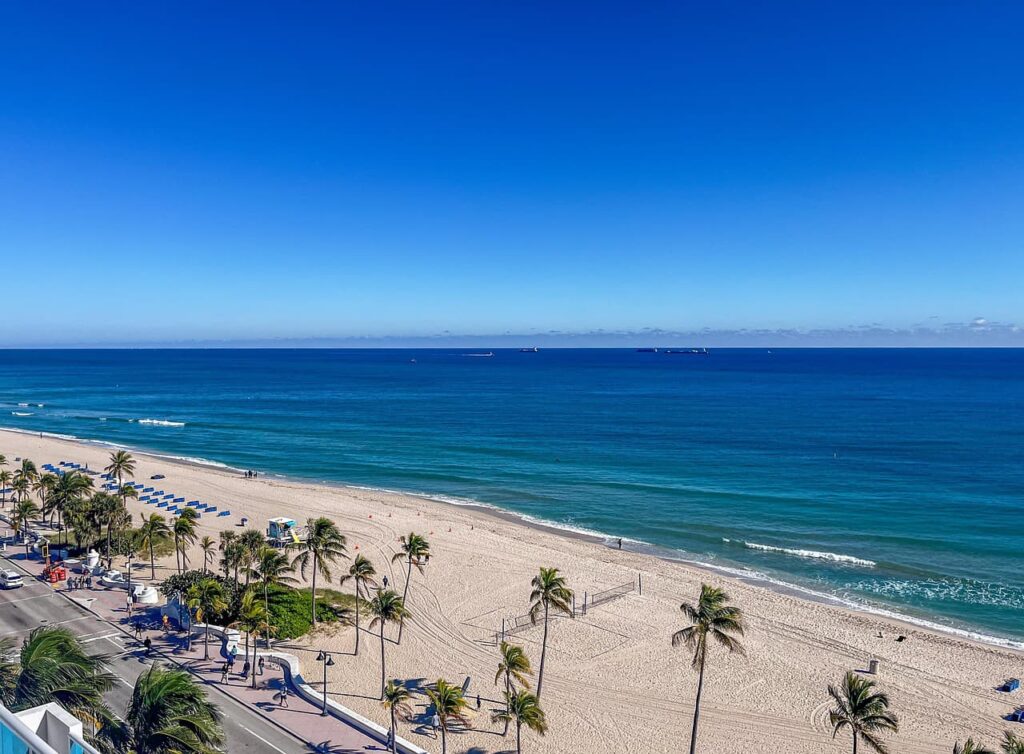
Summer in Florida doesn’t whisper. It is hot, it is humid, it is full-on. Highs regularly hit the 90s Fahrenheit, about 32 to 35 Celsius. The air feels heavy the minute you step outside.
Afternoons often stage the same show: bright morning, clouds stack up, a fast, loud thunderstorm rolls through, then clear again. Hurricane season officially starts in June, which means you keep one eye on forecasts and stay flexible. Most trips still happen. You just don’t pretend the risk isn’t there.
And here’s how the crowd story goes. Schools are out, families travel, theme parks run at full energy, Orlando stays busy, coastal cities fill, and even smaller beach towns buzz more than you might expect. If you love the lively version of Florida, you won’t be disappointed. If you can handle the heat, summer pays you back with water that feels perfect.
Fall (September to November)
Fall in Florida is a mix of risk and reward. September and October are right in the heart of hurricane season, which means higher odds of storms, serious rain, and the possibility that you will adjust flights or plans.
Temperatures stay warm, and humidity can cling, especially early. This is the part where you watch the forecast with real attention and build a little room to move in your itinerary.
But here’s where it gets better. As you slide into late October and November, storm activity usually drops, humidity eases, and days stay beach-friendly while the air finally feels lighter. Evenings become comfortable again for walking, eating outside, sitting, and talking without sweating through your shirt.
So, When Should You Go?
The best time isn’t identical for everyone, and that’s the point. If you want steady, comfortable weather with fewer surprises, aim roughly from November through April. If saving money matters most, September and October can work, provided you monitor hurricane updates and allow room to adjust.
If you want big energy, buzzing theme parks, and long summer light, June through August will deliver exactly that. Florida is enjoyable year-round; the season you choose simply changes the trade-offs among comfort, price, and atmosphere, turning your dates from a guess into a clear choice.